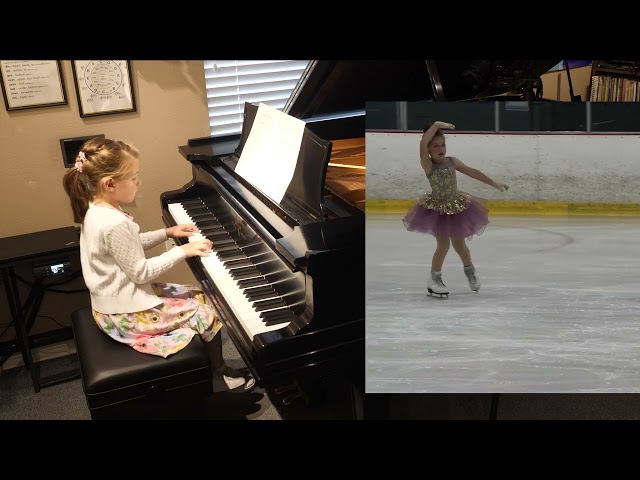
Piano lessons for young children can be a rewarding experience, fostering musicality, cognitive skills, and discipline. The ideal age to start is typically between 5 and 7, but it can vary based on individual readiness. Schedule a free Trial Lesson if you wish to get an assessment to find out if your child is ready to start.
Studying piano has also been shown to amazingly improve memory — particularly verbal memory — and build good habits like focus and perseverance, diligence and creativity. Children who had a few years of piano study under their belts could remember twenty percent more vocabulary words than their peers.
For young children learning piano, a fun, engaging, and patient approach is crucial. Incorporate games, colorful materials, and movement into lessons. Focus on developing a love for music through singing, ear training, and playing by ear before introducing formal music reading. Parental involvement and positive reinforcement are also key.
We use the Faber Piano Adventures series for young students. It is one of the most popular piano methods right now for teaching children five to nine years of age. The main books in this series are the Lesson Books, which take a student through a progressive path of practice material.
Teaching young piano students can be successful with the right approach. I make lessons fun and engaging through games and activities. Focus on building a love for music, rather than strict technical proficiency initially. Introduce basic concepts like finger numbers, note names, and simple melodies using a playful, age-appropriate method. Then our flash card games help the young student to grasp easy musical symbols and concepts. Playful rhythmic exercises and and basic metronome work will ensure correct timing when playing.